
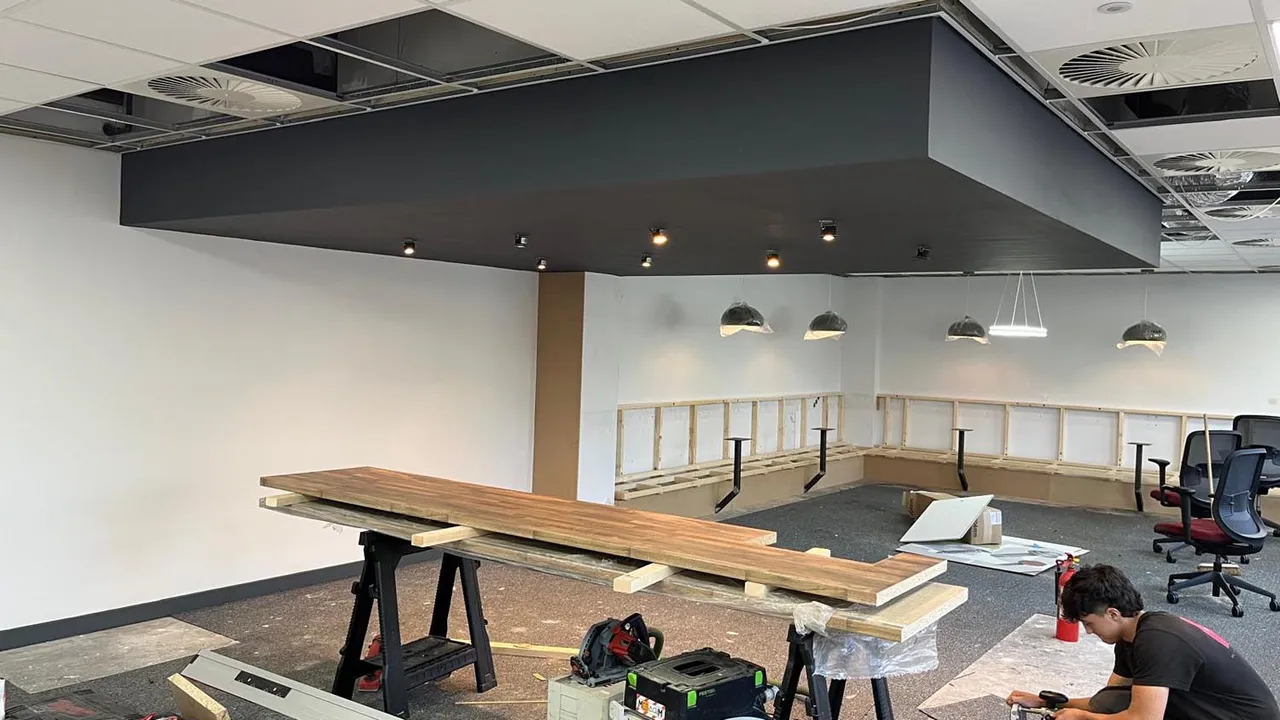
Light & Wellbeing
Proper lighting improves mood, reduces eye strain, and boosts productivity. We design lighting schemes that balance function with employee wellbeing.
Get in Touch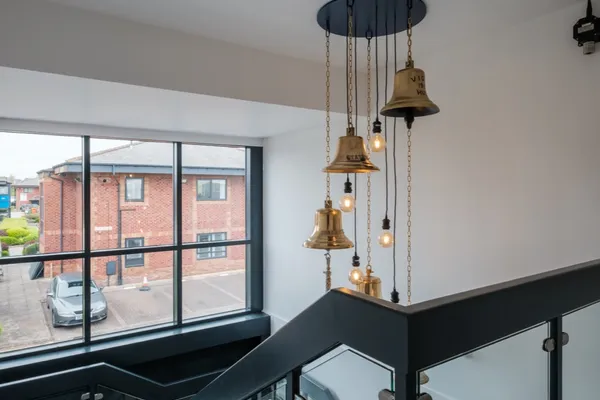
LED Technology
Energy-efficient LED panels and fittings that reduce running costs by up to 70%.
Smart Controls
Daylight sensors, occupancy detection, and dimmable zones for optimal lighting.
Wellbeing Focused
Human-centric lighting designs that support circadian rhythms and reduce eye strain.
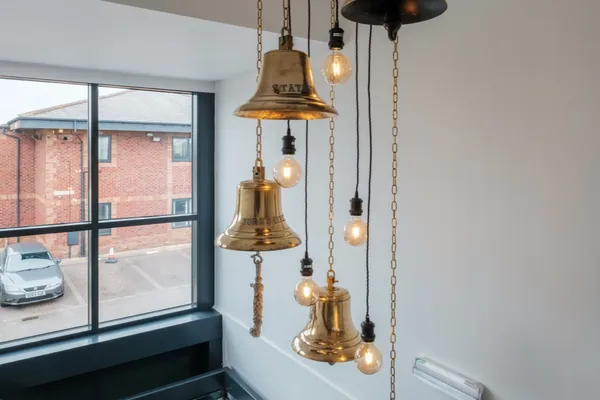
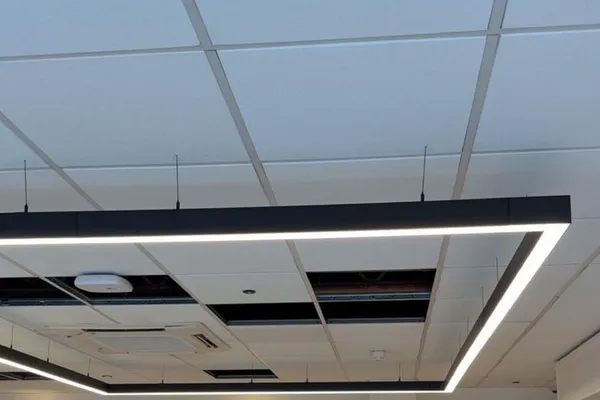
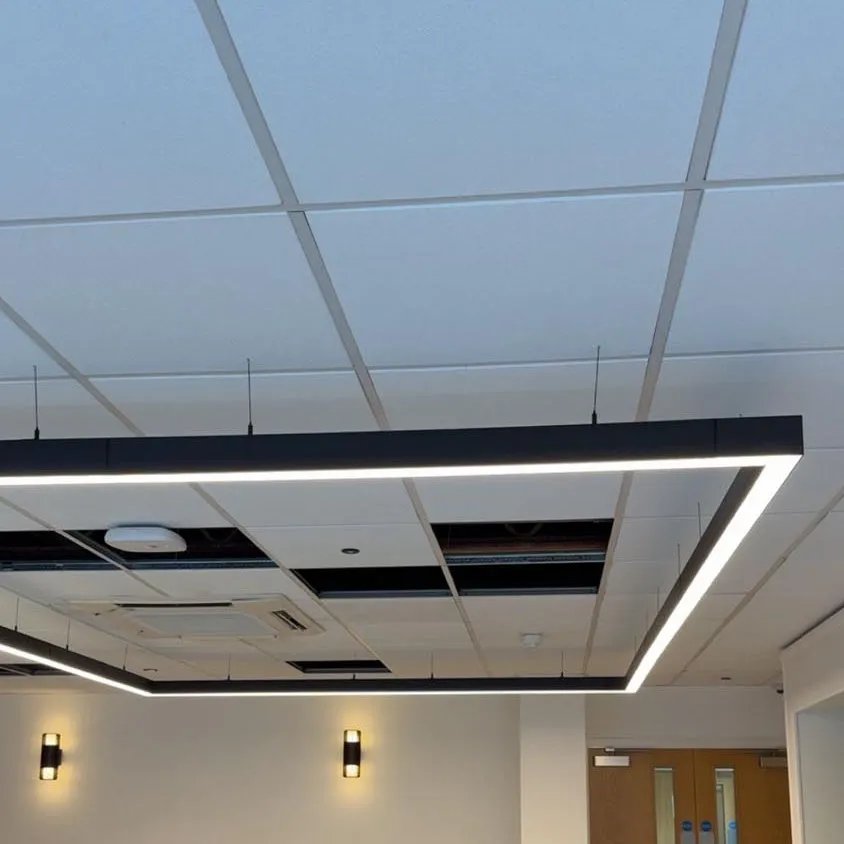
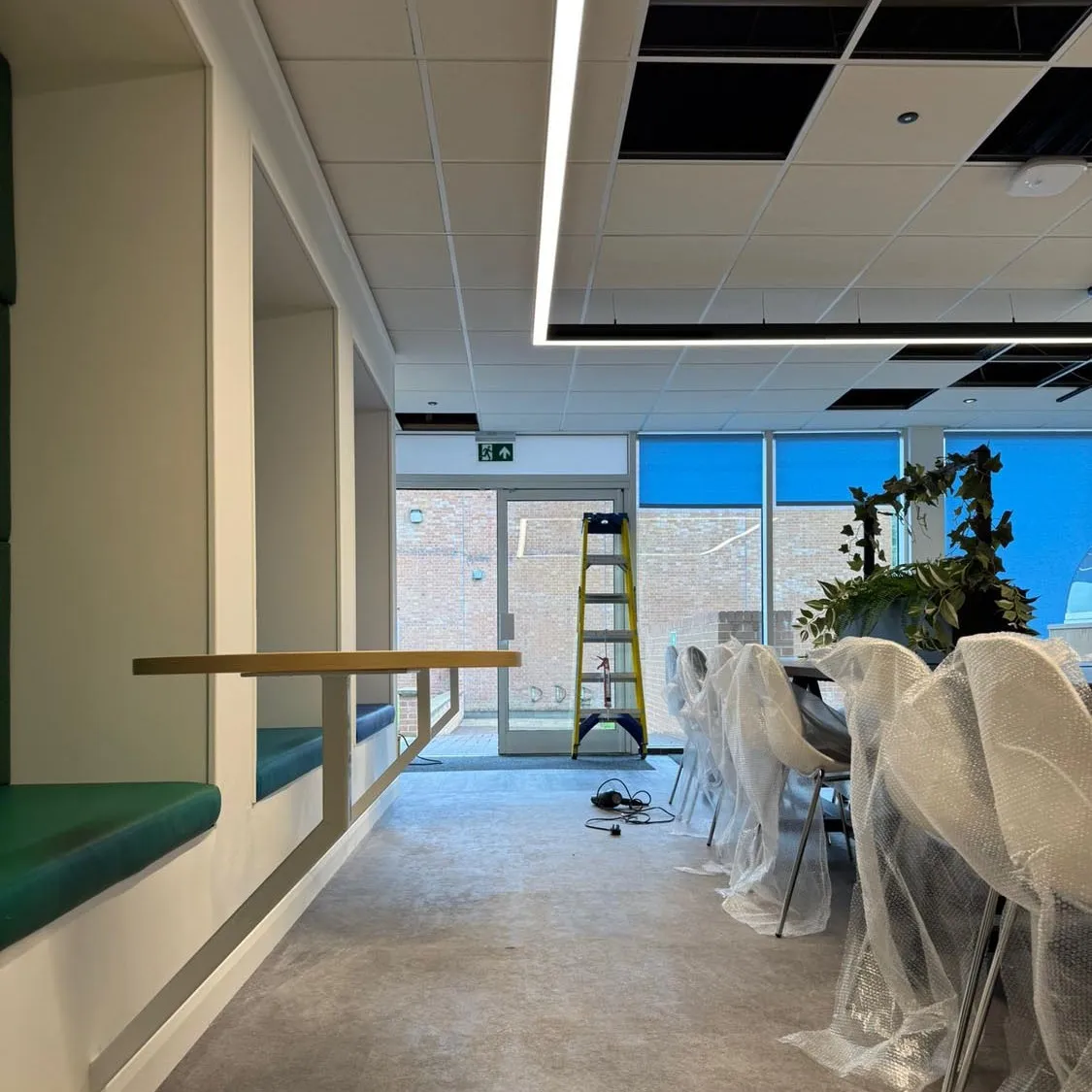
LED Panels & Feature Lighting
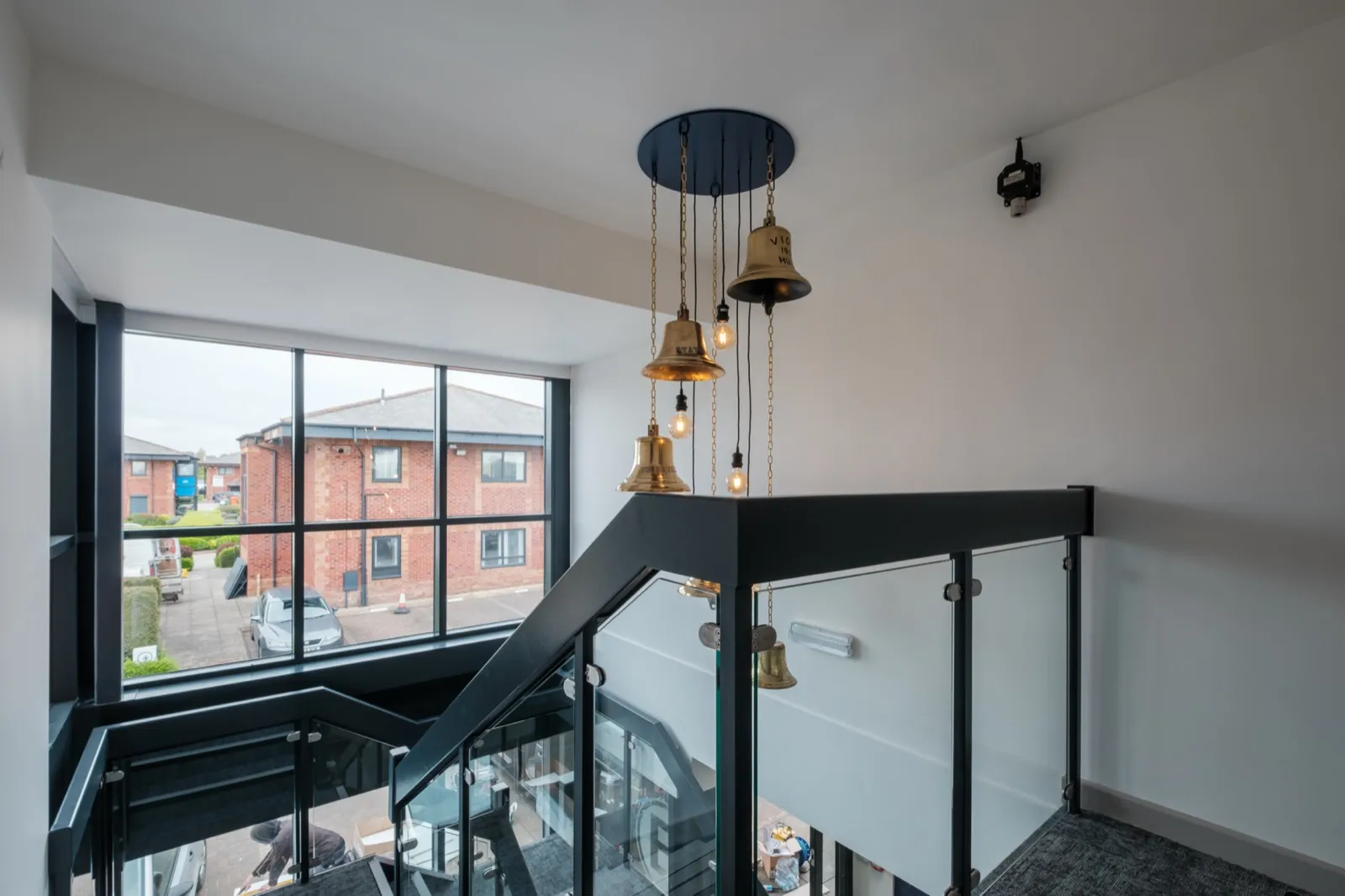
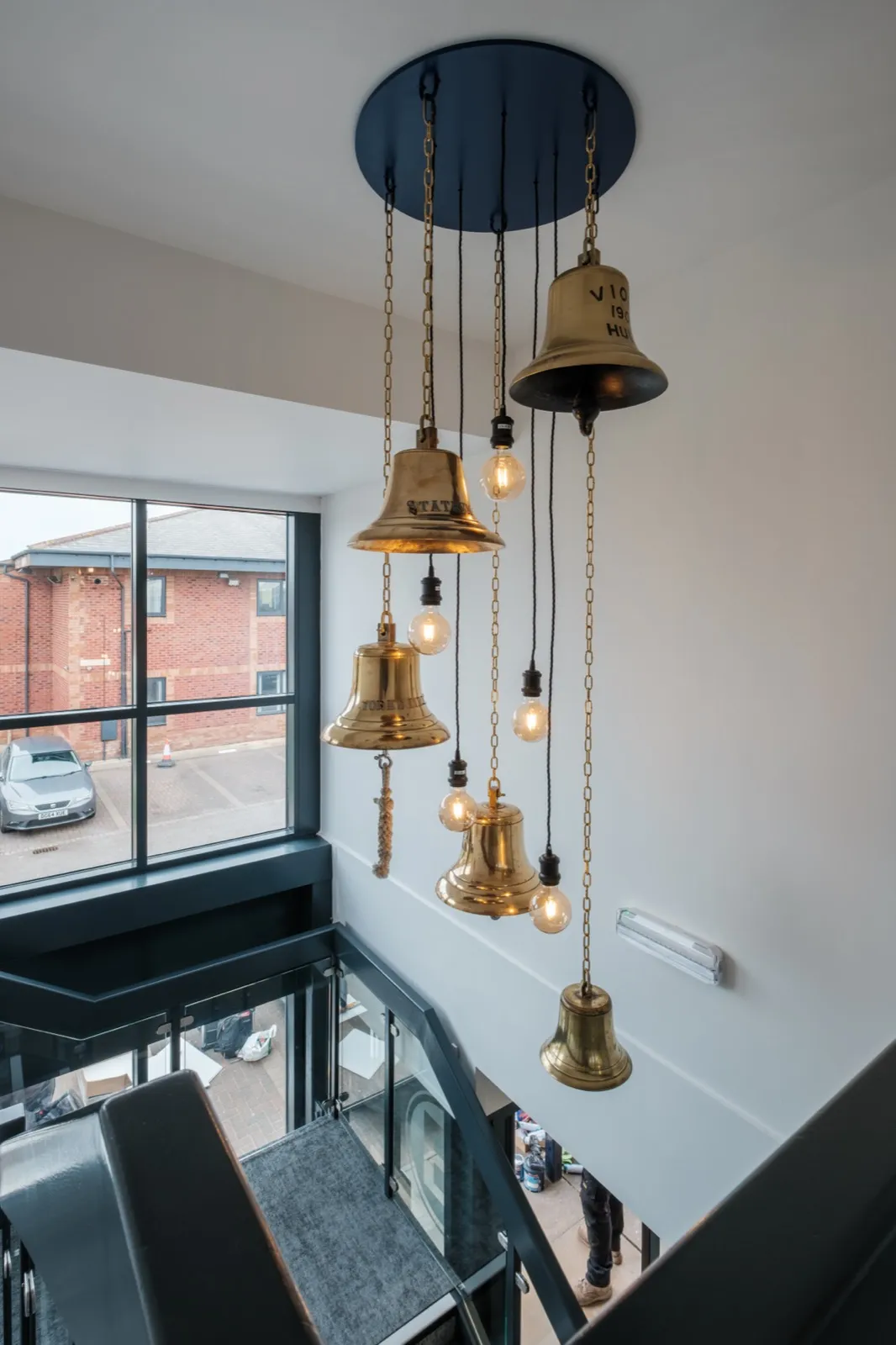
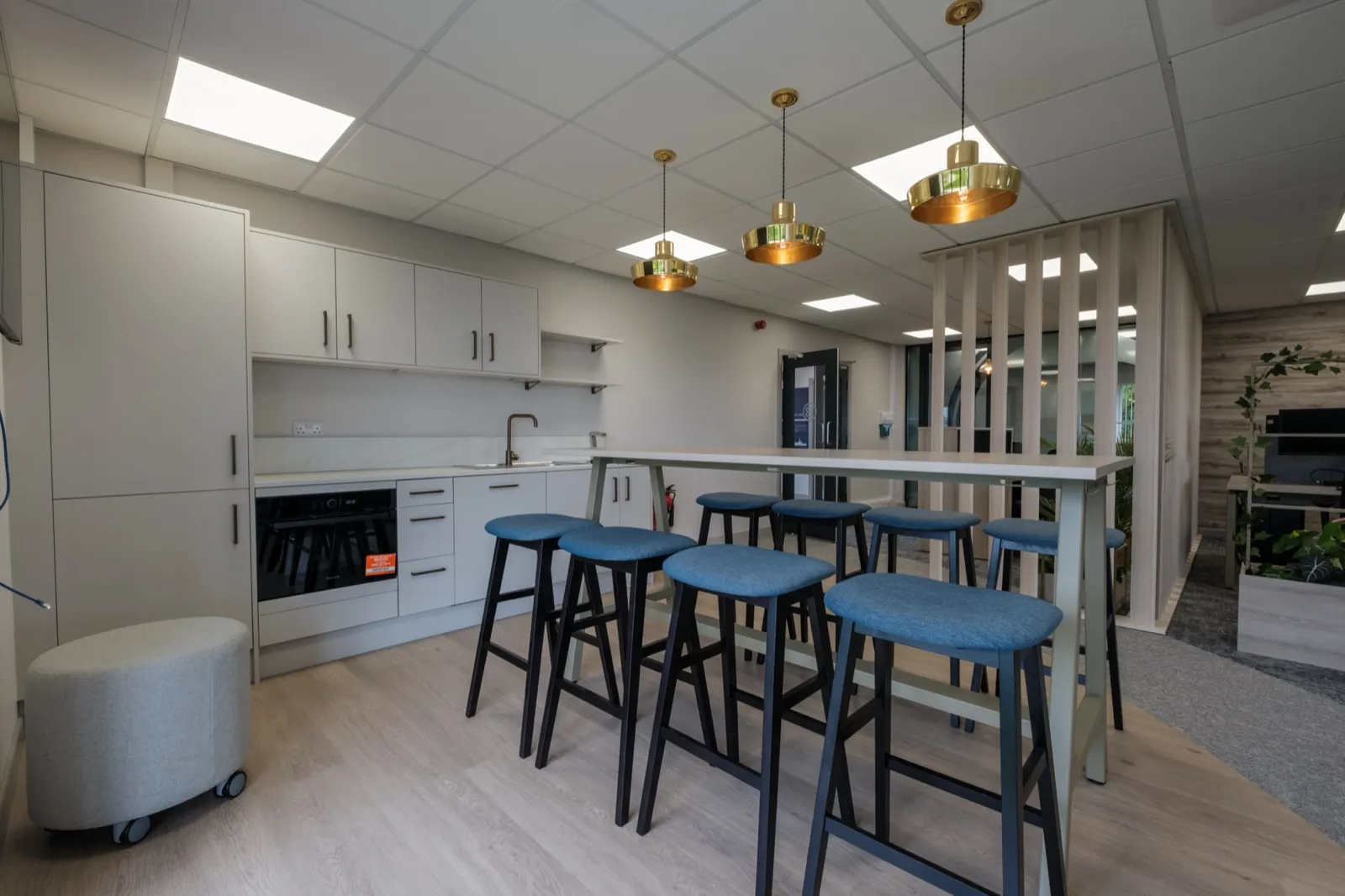
From energy-efficient recessed panels to statement pendants, we design lighting that balances function with atmosphere.
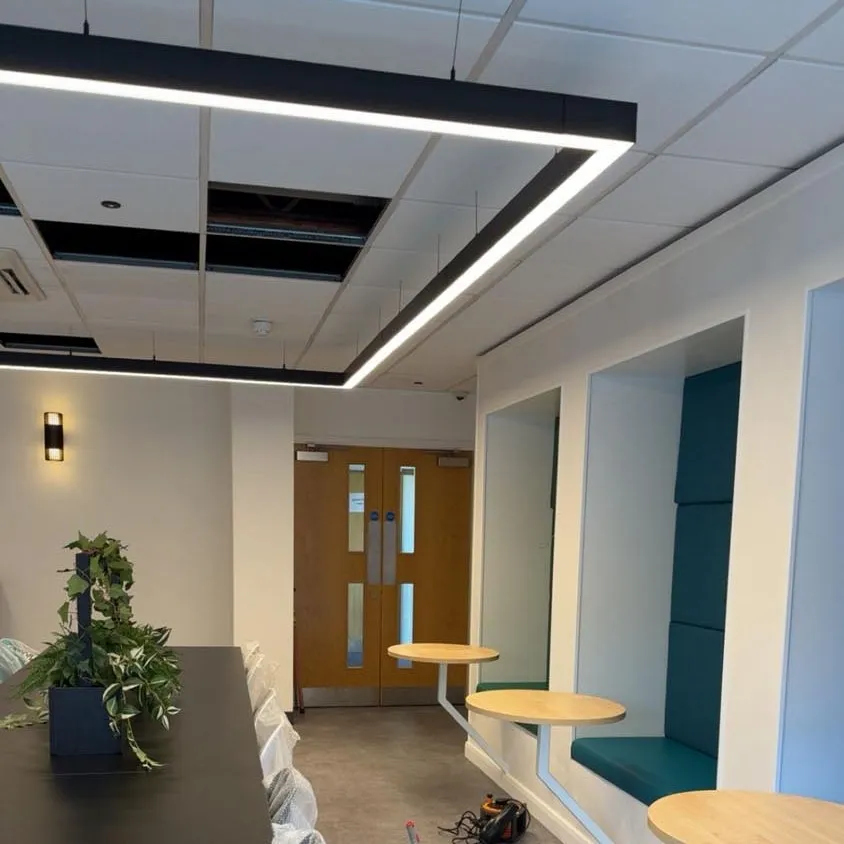
- Recessed LED panels for uniform illumination
- Feature pendants for receptions and boardrooms
- Linear and track lighting for accent areas
Smart Controls & Emergency Lighting
Intelligent controls optimise energy use, while compliant emergency systems keep your building safe and legal.
- PIR sensors and daylight harvesting
- DALI and KNX digital control systems
- BS 5266 compliant emergency lighting
Our Seamless Process
Four simple steps to your new high-performance workspace.
Lighting Survey
Assess existing conditions, measure lux levels, and review ceiling infrastructure.
Design
Detailed scheme specifying fitting types, positions, and controls.
Installation
Qualified electricians carry out the work with minimal disruption.
Commissioning
All fittings and controls are tested, adjusted, and documented.
Lighting is one of the most influential elements of any office environment. Poor lighting causes eye strain, headaches, and fatigue, while well-designed lighting improves focus, mood, and overall productivity.
Why Lighting Matters
Lighting quality directly affects how people feel and perform at work. Too dim, and people struggle to concentrate. Too bright, and the glare causes discomfort. Colour temperature matters too: cooler tones promote alertness while warmer tones aid relaxation.
Beyond comfort, lighting represents a significant proportion of an office’s energy consumption. Upgrading from fluorescent tubes to modern LED technology can reduce lighting energy costs by up to 70%, making it one of the most cost-effective improvements you can make.
Task Lighting
Desk-mounted or freestanding luminaires provide focused light for individual workstations. They are particularly important in open-plan offices where ceiling-mounted lighting alone may not provide sufficient illumination for detailed work.
Human-Centric Lighting
We design schemes that support the body’s natural circadian rhythm by adjusting colour temperature throughout the day: cooler, energising light in the morning and warmer, calmer tones in the afternoon. This has been shown to improve sleep quality, alertness, and general staff wellbeing.
Why Choose Linvex
Our in-house electrical team has over 40 years of experience designing and installing lighting for offices, healthcare facilities, education buildings, and public-sector properties across the UK. We combine technical know-how with design awareness, so every space is lit for both performance and atmosphere.
Our Work
Frequently Asked Questions
Yes, switching to modern LED lighting can reduce energy consumption by up to 70% compared to traditional fluorescent tubes, with a typical payback period of 2–3 years.
We install intelligent systems with motion sensors, daylight harvesting, and programmable scenes to further optimise energy usage and create the right atmosphere for different tasks.
British Standard BS EN 12464-1 recommends 500 lux for general office tasks and 300 lux for corridors and circulation areas. We design all our schemes to meet or exceed these standards.
Yes, we install recessed LED panels in suspended ceiling grids, surface-mounted fixtures for exposed ceilings, and pendant fittings for feature areas.